
Pastoral Leaders are Last
Pastoral leadership is for those who desire to be the last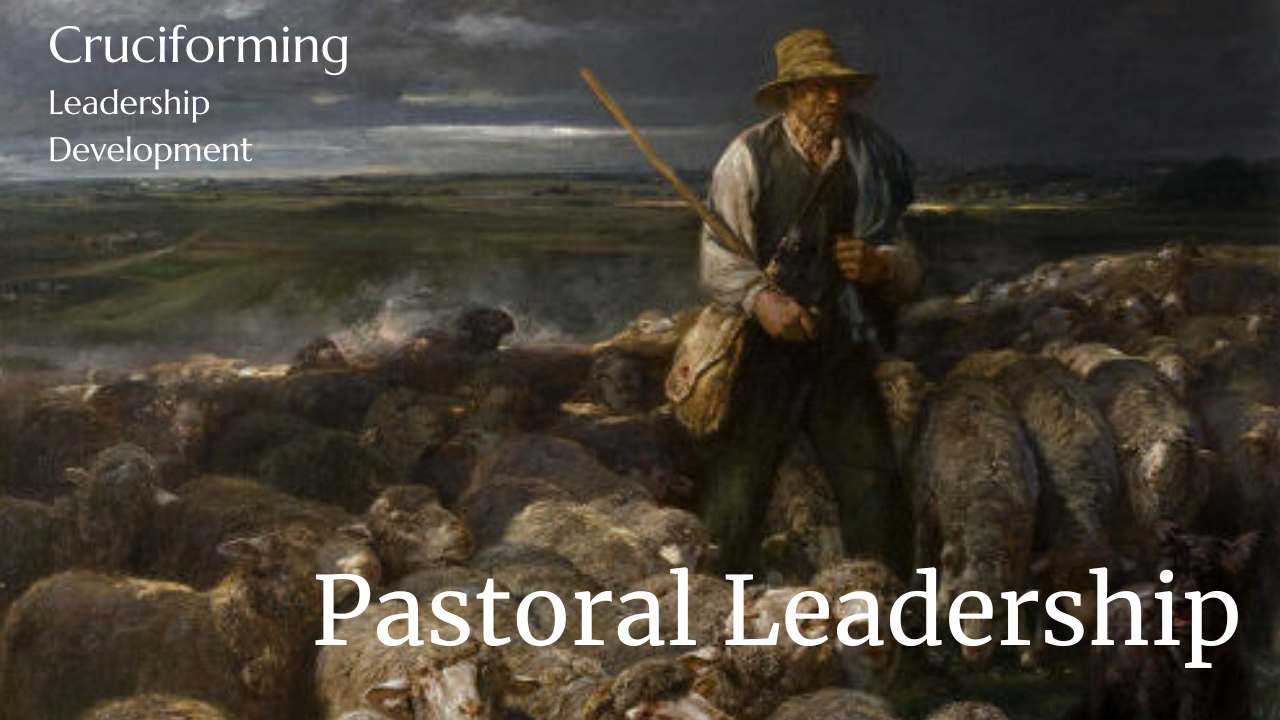
Pastoral leadership is not for those who want to be the greatest, it’s for those who desire to be the least, to be last.
In Mark 10:35-45, James and John approach Jesus with a remarkable request. They want the places of highest honour in His kingdom. One asks to sit at His right hand, the other at His left.
They have heard Jesus repeatedly speak about His coming suffering, rejection, death, and resurrection, yet their minds are occupied by a different question entirely, "How can we be great?"
Their request reveals how deeply worldly ideas of leadership can take root in the human heart.
While Jesus is speaking about sacrifice, they are thinking about status. While Jesus is speaking about serving, they are thinking about ruling. While Jesus is preparing to give His life as a ransom for many, they are wondering who will be the most important.
This passage has profound implications for pastoral leadership. The desire for greatness Is not a qualification for leadership, whereas James and John assume that Jesus is heading to Jerusalem to establish a visible kingdom in which they will occupy positions of prominence and influence - positions of leadership.
James and John envision glory, authority, and honour. They imagine themselves sharing in Christ's triumph. Yet Jesus responds by showing that they do not understand the nature of His glory at all. ‘You do not know what you are asking.’ (Mark 10:38).
The glory of Jesus will not first be revealed on an earthly throne but on a Roman cross.
His path to exaltation runs through humiliation. His crown will be a crown of thorns before it becomes a crown of glory.
The irony is striking. James and John ask to sit at Jesus' right and left hand in His glory. Yet when Jesus is lifted up on the cross, there are indeed men at His right and His left, sharing in His suffering and death - thought it is not James and John, but convicted criminals.
The disciples are looking for positions of honour. Jesus is preparing to drink the cup of God's wrath and undergo the baptism of divine judgment on behalf of sinners. They want greatness. Jesus embraces sacrifice.
This is why pastoral leadership is not for those who want to be the greatest.
A desire for prominence, influence, recognition, or status is not evidence of a pastoral calling. In fact, it may reveal the very heart attitude that Jesus is correcting. The greatest danger in leadership Is self-Importance.
When the other disciples hear James and John's request, they become indignant. But their anger does not arise from superior spirituality. Their reaction reveals that they are struggling with the same ambitions. The request merely exposes what is already present in all their hearts. The disciples are arguing over who will be the most significant while standing next to the One who is about to give His life for the world.
It is easy to criticise them, but the same temptation remains with us. We want Jesus to make us important. We want Jesus to make us influential. We want Jesus to make us powerful.
Sometimes these desires appear in obvious worldly forms. At other times they appear in church life itself. We can desire recognition for our ministry, influence within a congregation, or a reputation among other Christians. Even pastoral ministry can become a vehicle for self-promotion if the heart is not guarded.
The desire to be seen is often disguised as the desire to serve. Yet Jesus exposes these ambitions by pointing His disciples back to the cross. Christ defines leadership by service. After correcting their misunderstanding, Jesus gathers the disciples and contrasts worldly leadership with kingdom leadership. ‘The rulers of the Gentiles lord it over them,’ He says. ‘But it shall not be so among you.’ (Mark 10:42-43).
The world measures greatness by authority exercised over others. Jesus measures greatness by service rendered for others. The world seeks position. Christ calls for sacrifice. The world pursues status. Christ calls for servanthood. The world asks, "Do people see me?" Christian leadership asks, "Do I get to be unseen as a servant?"
Now to be clear, Jesus is not rejecting leadership itself. The church requires leaders. Elders are called to govern, teach, protect, and shepherd the flock. Preachers are called to teach God’s word by preaching Christ from every passage of Scripture. Pastoral leadership with authority is real and necessary. Yet, what Jesus rejects is self-serving leadership. And he does this by showing us the beauty of servant leadership.
Jesus rejects leadership that uses people rather than serves them. Jesus rejects a kind of leadership that exists to make leaders simply feel good about themselves, like some sort of self-esteem project. Jesus rejects those who claim God has called them to leasdrship, when really it is their man-manufactured desires which are taking over.
Jesus rejects leadership that seeks honour rather than holiness. He rejects leadership that is driven by ego rather than love.
Pastors must lead like the crucified Chris. The foundation of christian leadership is found in Jesus Himself: ‘For even the Son of Man came not to be served but to serve, and to give his life as a ransom for many’ (Mark 10:45).
The Lord of glory defines His ministry not by what He receives but by what He gives. Christ’s leadership is cruciform. The shape of His leadership is the shape of the cross. This means that pastoral leadership cannot be understood apart from self-sacrifice.
A faithful pastor is not fundamentally a platform-builder, a celebrity, or a religious executive. He is a shepherd who follows the pattern of the Chief Shepherd. He must be willing to lay aside personal preferences for the good of the flock. He must be willing to absorb criticism without retaliation. He must be willing to serve without recognition. He must be willing to spend himself for the spiritual flourishing of others.
The mature leader becomes increasingly dependent upon God while becoming increasingly distrustful of self-importance, self-reliance, and self-promotion. His ambition is not to be known. His ambition is to make Christ known.
Looking for the right kind of leaders means a church should not look for men who crave visibility, influence, or prominence. Neither should they assume that mere reluctance to lead is itself a qualification. Rather, churches should look for men whose lives have been shaped by the cross. Men who understand that leadership is service. Men who see authority as stewardship. Men who are willing to sacrifice for the good of others. Men whose character demonstrates increasing humility. Men who do not view the church as a platform for personal significance.
The church does not need leaders who want to be the greatest. The church needs leaders who have seen the glory of Christ displayed at the place of the skull (Mark 15:22) and have learned from Him that true greatness is found in serving others.
For the greatest leader who ever lived did not come to be served. He came to serve. And He gave His life as a ransom for many.
